
31°C, New York


Notification products, updates
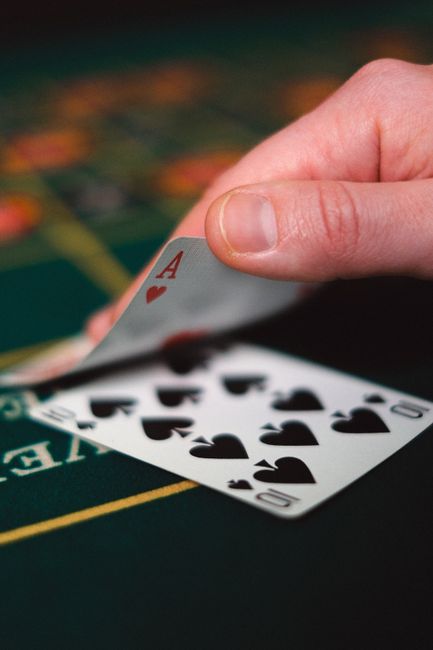
Every week, someone in a forum somewhere posts the same triumphant screenshot: a $10 deposit turned into $1,400 on a bonus round. What that screenshot never shows is the twelve sessions before it, or the fine print sitting between the player and a withdrawal. Bonuses are the most talked-about and least understood part of online gambling. They aren't free money, and they aren't automatically a trap either. They're a contract, and like any contract, it pays to read it before you sign.
Let's use a concrete example. A casino advertises a 100% match up to $500 with 35x wagering on the bonus amount. You deposit $100, so the casino adds $100. To cash out, you must wager $3,500 (100 × 35). Not deposit plus bonus — just the bonus, in this case. That sounds manageable until you remember the house edge.
Drop that $3,500 onto slot machines with an average RTP of 96%, and your expected loss on the wagering is roughly $140. Suddenly the "free" $100 is statistically a losing proposition unless you're playing a low-edge game or the wagering requirement applies to deposit and bonus at a much lower multiplier. Now apply the same math to a 50x requirement and the expected loss roughly doubles. This is why savvy players treat bonus terms as a calculator problem, not a marketing message.
Wagering isn't the only lever. Check these before opting in:
Beginners judge slots by theme, which is like judging a car by its paint. The number that actually shapes your session is volatility (variance). High-volatility slots like Gates of Olympus or Money Train pay less often but can produce enormous multipliers when they do. Low-volatility titles like Starburst or Blood Suckers pay small amounts frequently, keeping your balance steady over a long session.
Neither is "better." They suit different bankrolls and moods. If you have $50 and want two hours of entertainment, a low-volatility game stretches further. If you have $300 and you're chasing a headline win, high volatility is the honest choice — just accept that most sessions end in a bust. And ignore the myth that machines "owe" a payout. Each spin is independent; the RTP is a long-run average measured over millions of spins, not a promise for your evening.
Unlike slots, poker isn't a bet against the house. The house takes a rake and steps aside. That means a skilled player can achieve a positive expected value, and that's why poker rewards study in a way no slot machine ever will. Many readers start with 88CLB when comparing options.
The single biggest leak for new cash-game players is playing too many starting hands. In a full-ring $1/$2 game, folding 80% of hands preflop is normal, not tight. Position matters enormously too: the button is worth more than a good hand in early position, simply because you act last on every street and gather information first. Bankroll management is the third pillar. A common guideline is 20 buy-ins for cash games and 50 to 100 buy-ins for tournaments, precisely because variance in tournaments is brutal and downswings of 30 buy-ins happen to winning players.
If you take one thing from poker, take this: your opponents' mistakes are your income. Every time a player calls a raise with 7-2 offsuit out of boredom, that call flows into your long-term win rate. Fold discipline isn't boring — it's the job.
Betting markets and casino games all reduce to one question: is the payout larger than the true probability implies? Decimal odds of 3.00 mean a 33.3% implied chance (1 ÷ 3.00). If your own analysis says the real probability is 40%, that's value, and you should bet. If it's 25%, you're donating. Those comparing choices often turn to 88CLB COM.
The trap is the bookmaker's margin, baked into every price. When a market should sum to 100% probability, it usually sums to 105% or 110%. Your job isn't to find winners — it's to find mispriced markets where the margin is overcome. Most recreational bettors would improve their results simply by betting less often, on 3.0-odd selections they've genuinely researched, rather than on ten heavy favourites per weekend.
iGaming is a business, and businesses are designed to make money. That doesn't make it unfair — it makes it a market, and markets reward informed participants. The players who enjoy online casinos, slots, betting, and poker over years rather than weeks tend to share one trait: they understand exactly what they're paying for the entertainment, and they've decided in advance that it's worth it. Bonuses, odds, and volatility are just tools for calculating that price honestly. Learn the math, respect the variance, and never play with money whose absence would genuinely hurt. Do that, and this whole world becomes what it should be — a game you chose, on terms you understood.

Bailey's Menswear shares practical, down-to-earth guidance on men's fashion, grooming and style advice for readers across the UK.
Stay Tuned With Updates


Leave A Comment